

The adhesive used to bond layers of flexible circuits is critical to the performance and reliability of the end product.
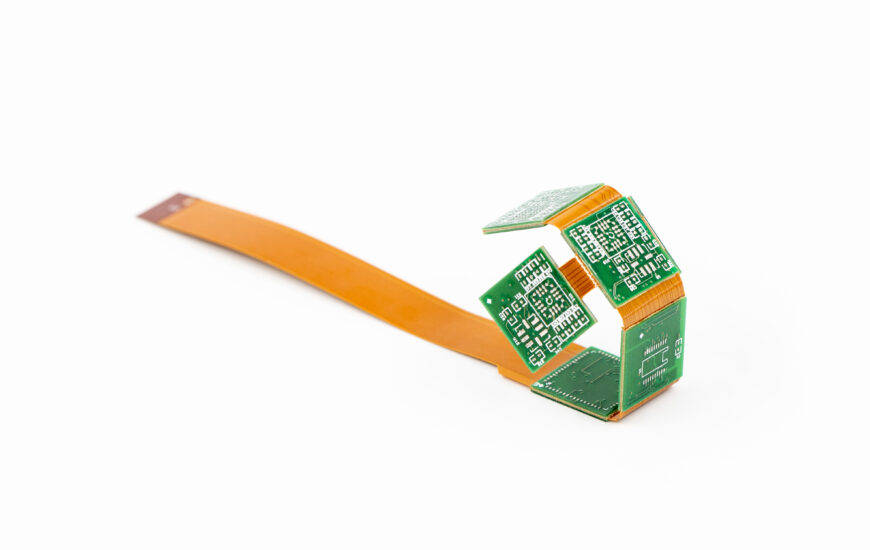
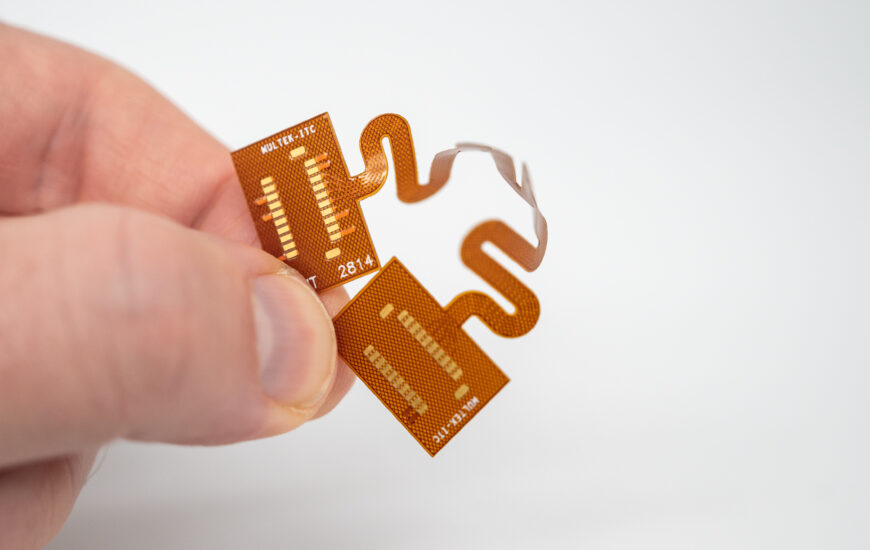
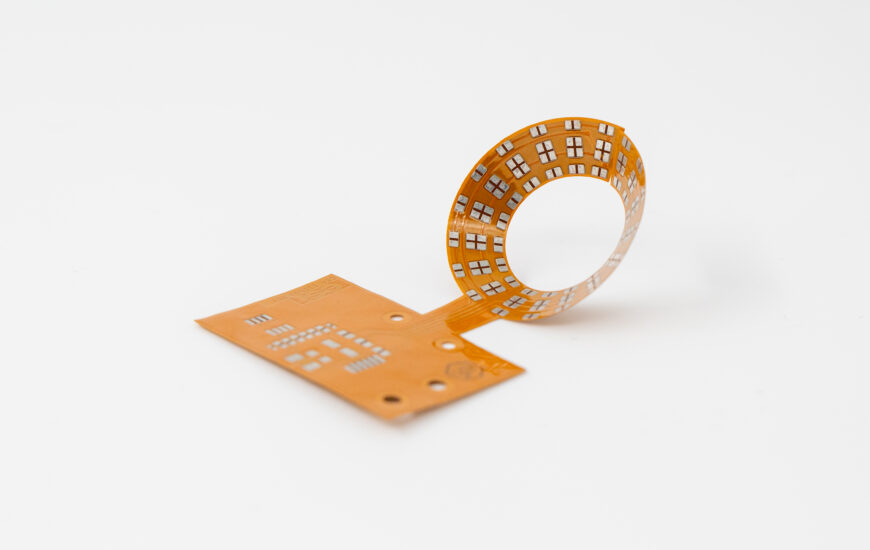
Flexible circuits can save space and weight compared to rigid alternatives. Their flexibility allows engineers to design smaller, lighter enclosures for end products. But the value of such circuits depends on their circuit integrity under the stress of bending and flexing.
The right adhesive allows for flexibility, durability, and resistance to environmental stresses, ensuring a circuit will work for years to come.
Types of Adhesives for Flexible Circuits
Selecting the right adhesive depends on the circuit’s application and performance needs:
- Acrylic Adhesives: Provide excellent adhesion, flexibility, and moderate environmental resistance.
- Epoxy Adhesives: Offer high strength and chemical resistance but can be less flexible.
- Polyimide Adhesives: High-temperature resistant, chemically stable, and ideal for applications that require high operating temperature environment.
Choosing the right adhesive and bonding method is crucial for producing durable, high-performance flexible circuits. Need expert guidance? Contact our specialists at Flex Interconnect to find the best bonding solutions for your application. Contact us | Flex Interconnect